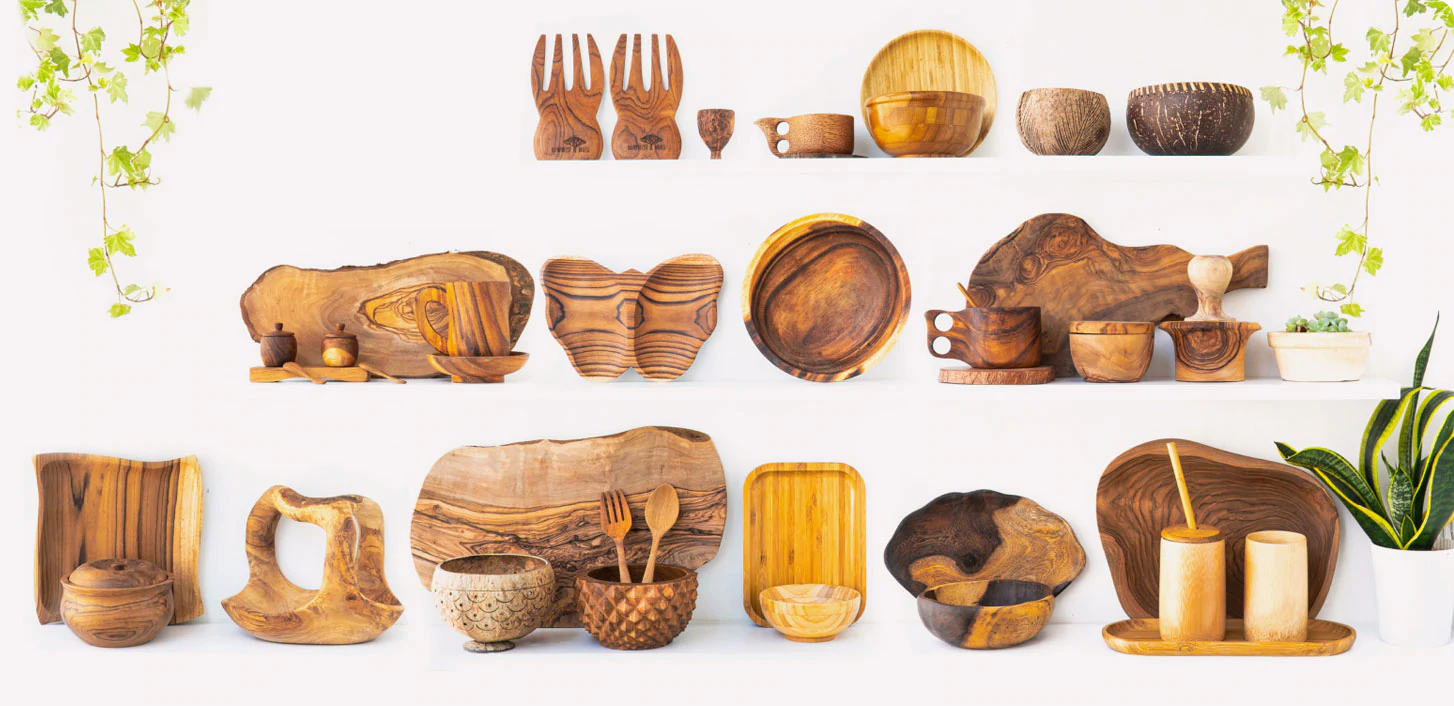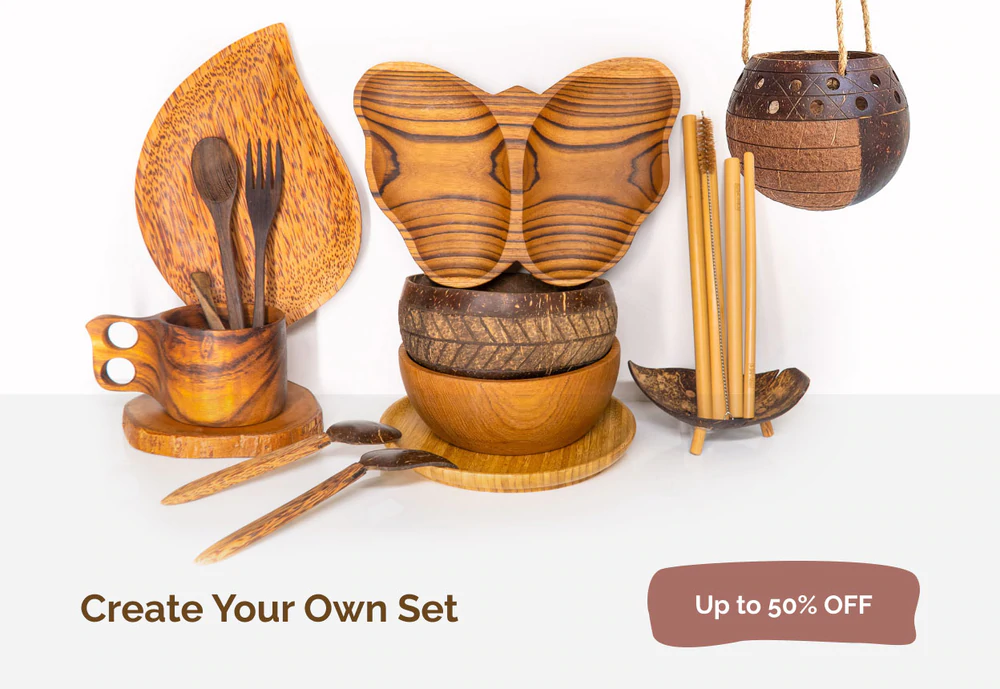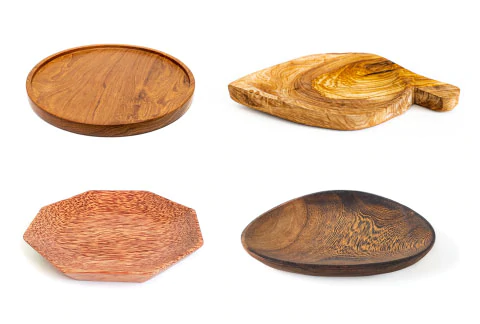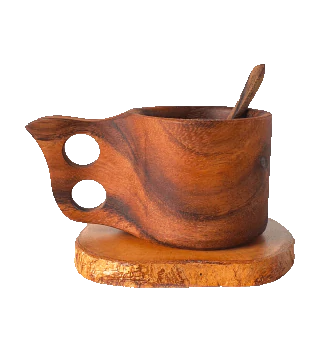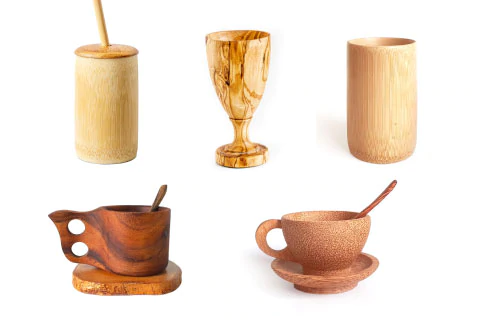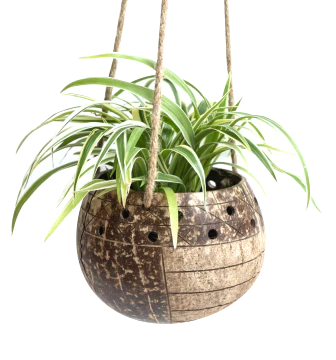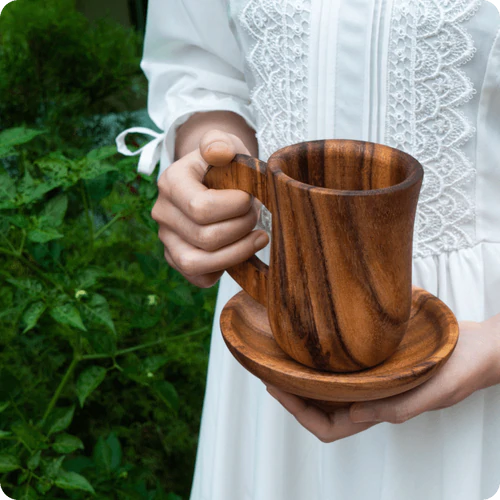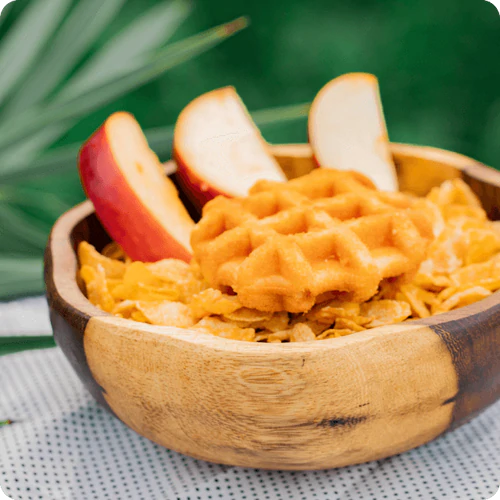
We offer premium woodware to elevate the dining experience through mindful eco practices. Read Our Story >
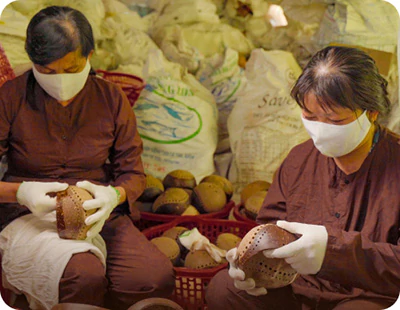
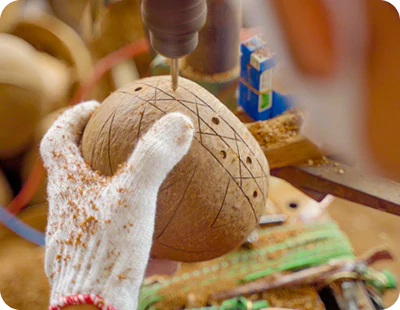
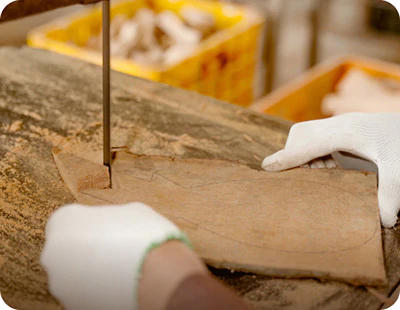
Local artisans and woodworkers capture the raw wood’s rustic beauty through their unique designs. Read Our Partner >
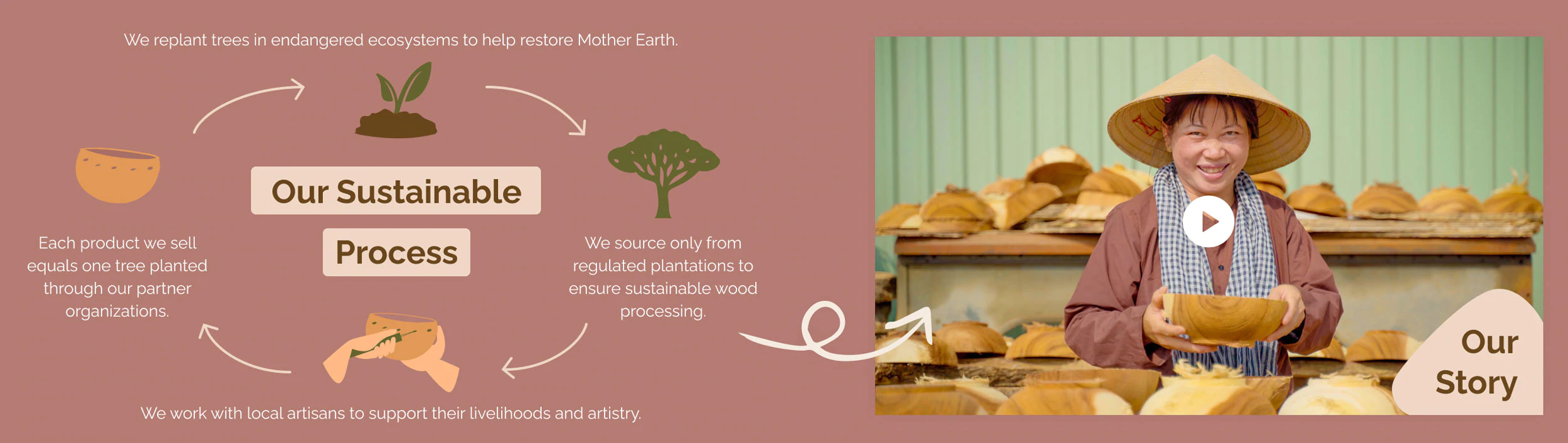
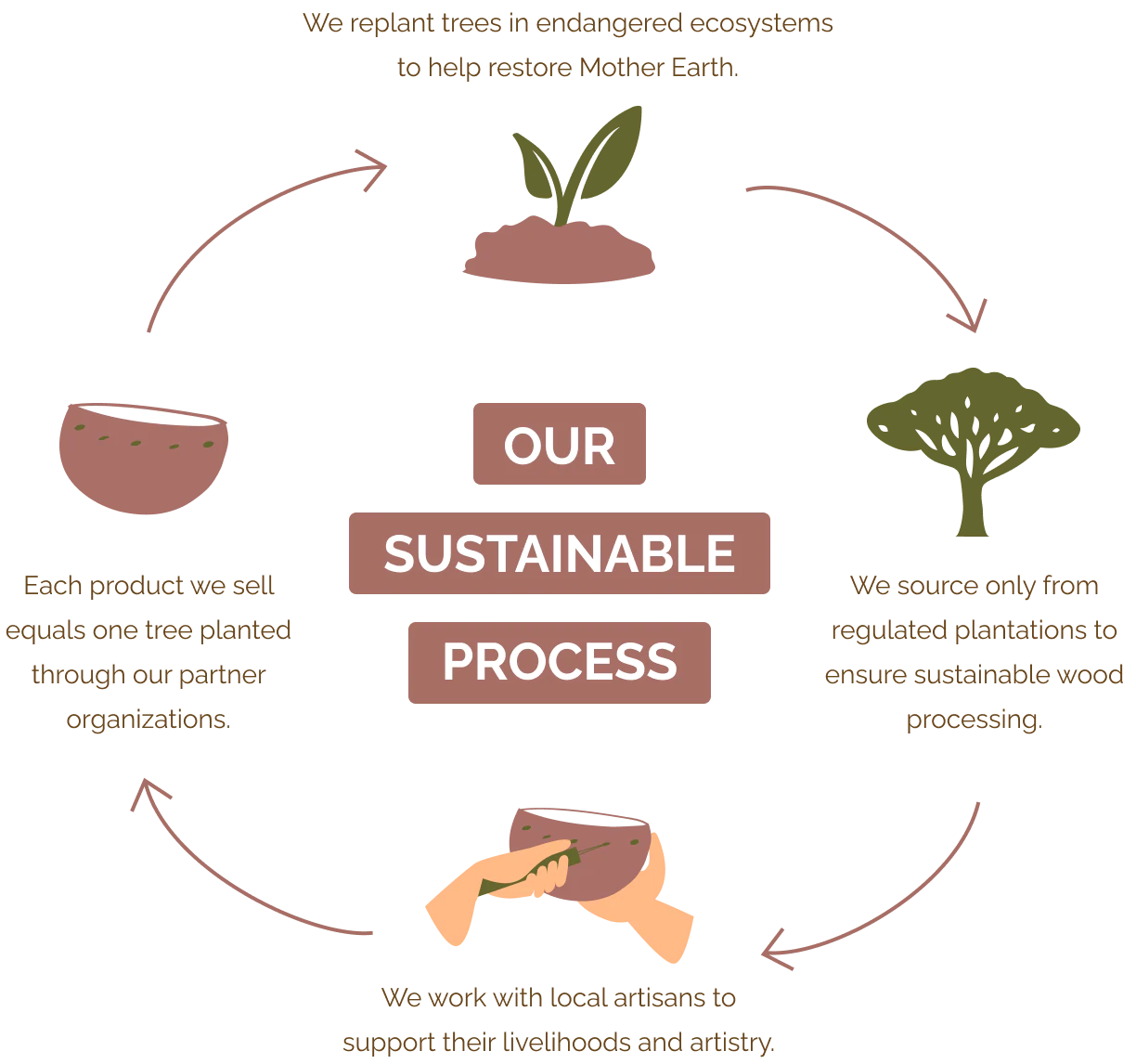
We actively pursue processes that do not harm the environment and bring the most benefit to our partner communities. Read Our Process >
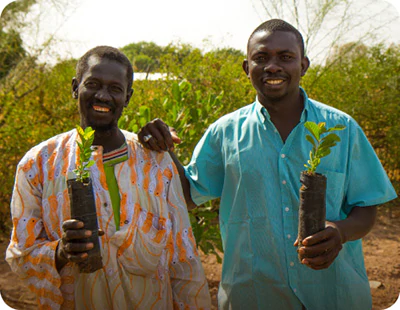
Each product we sell is equal to one tree planted in Africa and Vietnam through our trusted tree planting partners. Read Our Mission >
We support legal and regulated harvesting of trees to produce our products and foster socioeconomic growth in the regions where we source raw materials. We work closely with organizations and communities on the ground and comply with local and international laws for the sale and trading of raw wood and wooden products.
Teak Wood
Cocount
Coconut Wood
Acacia Wood
Bamboo
Olive Wood
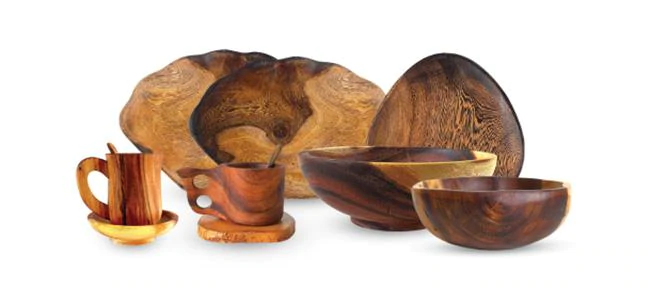
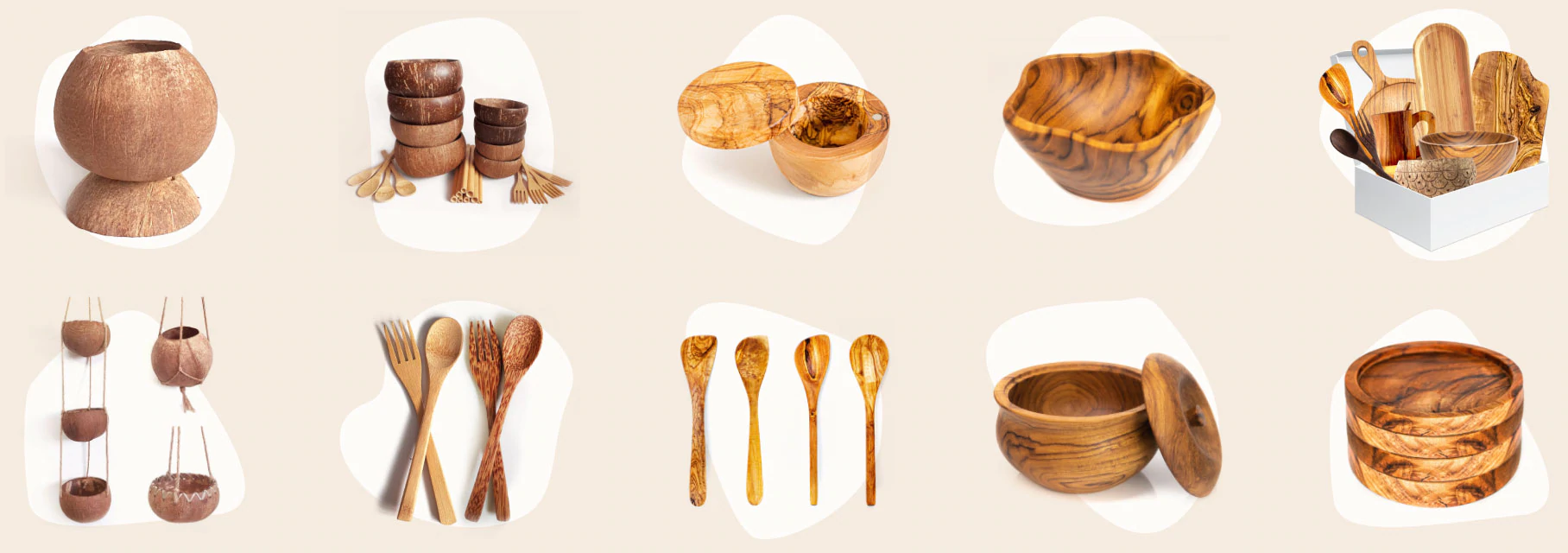
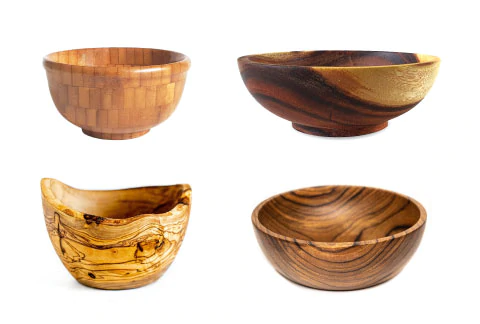
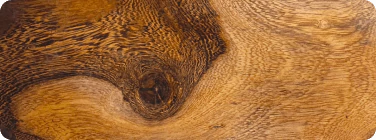
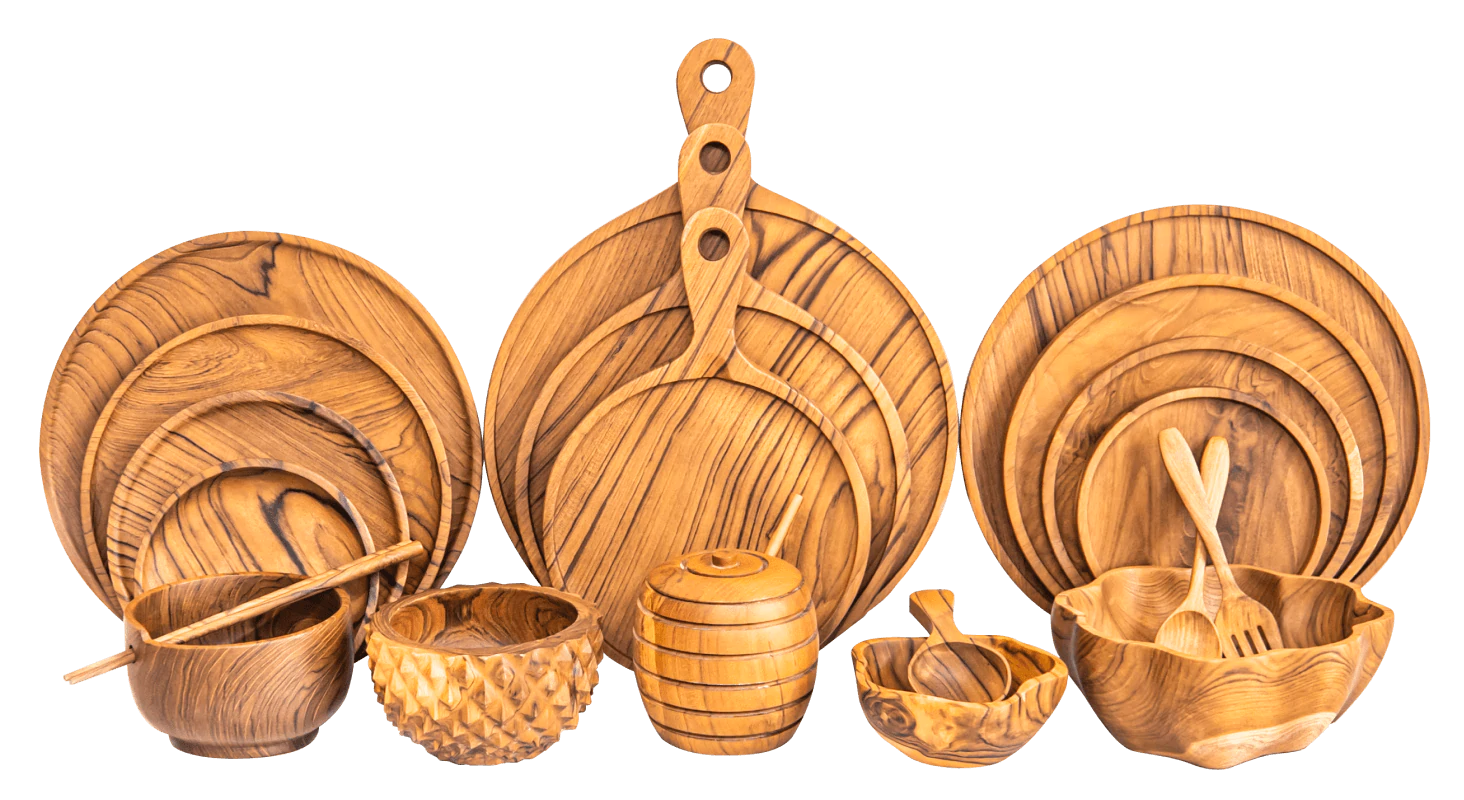
Instead of allowing fallen teak wood to rot as waste, talented artisans from East and Central Java cut the pieces from mature trees and turn them into various homeware goods. Carrying a coarse grain, rich colors, and a durable quality, teak wood is a preferred resource in creating bowls, serveware, utensils, and other kitchenware items.
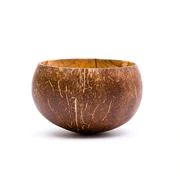
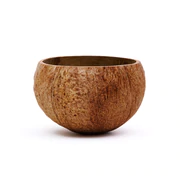
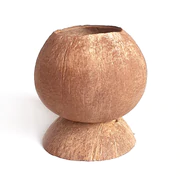
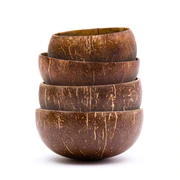
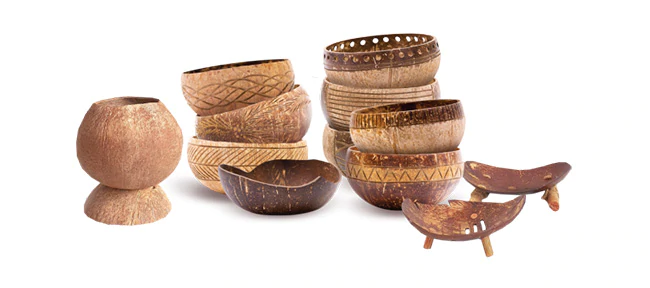
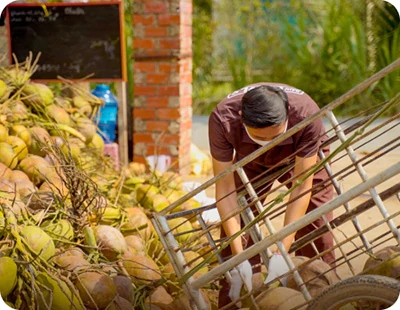
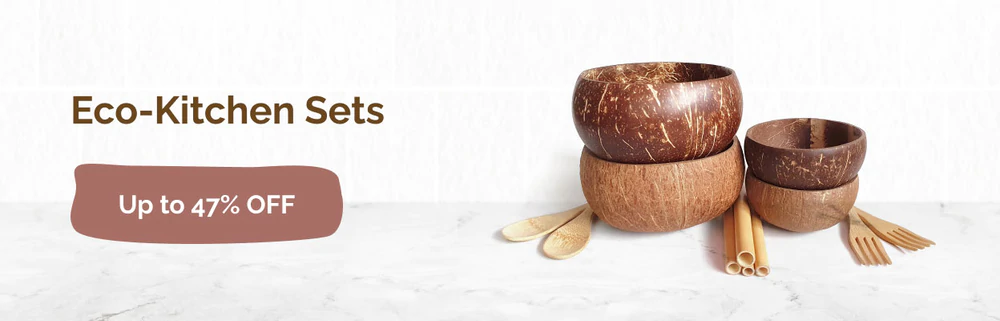
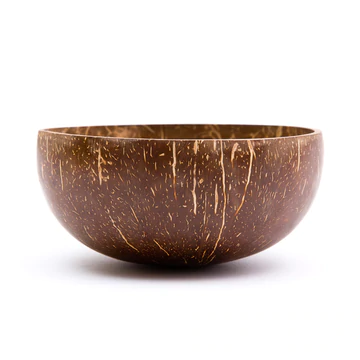
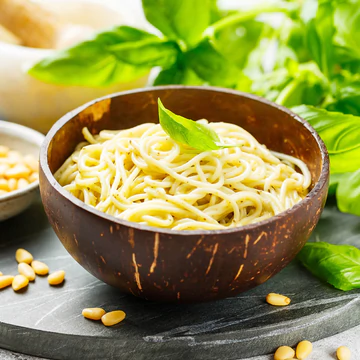
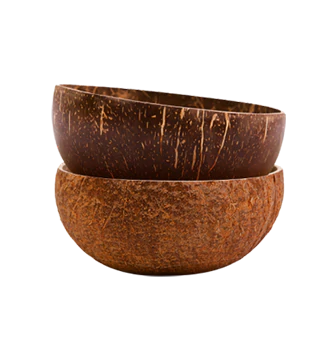
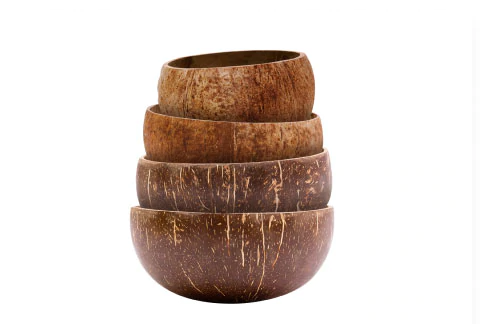
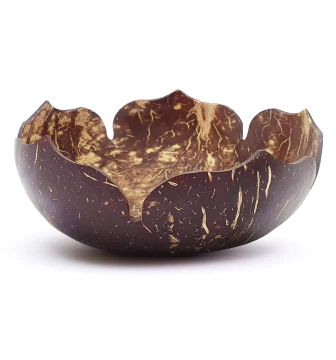
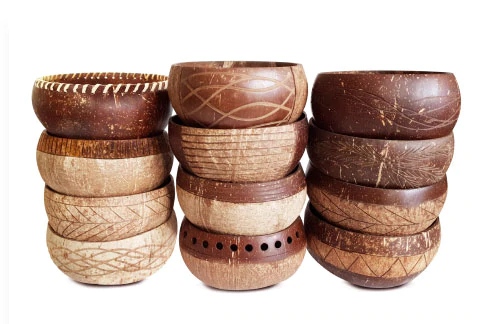
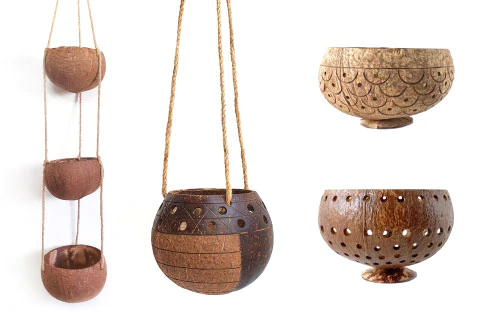
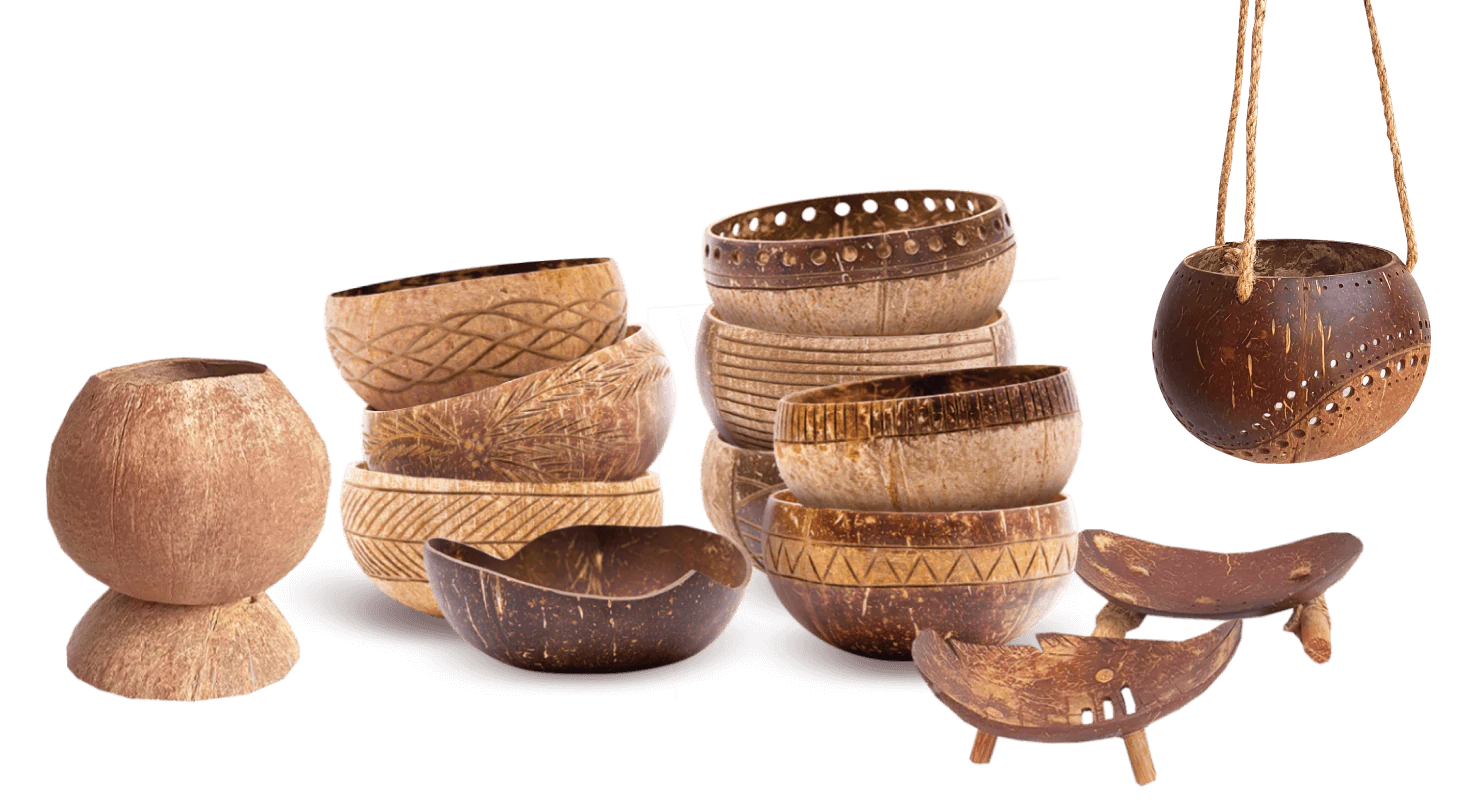
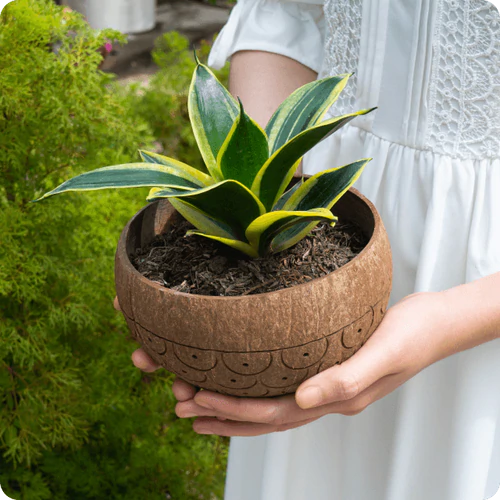
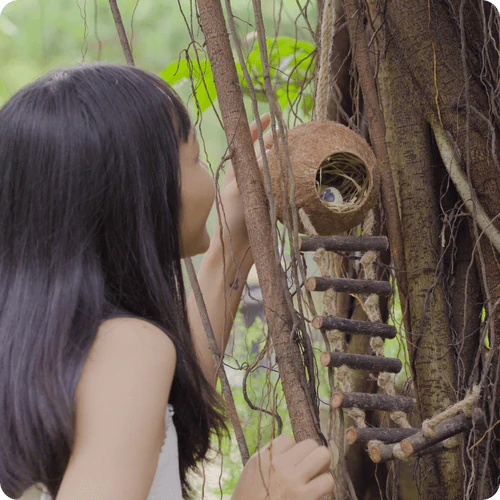
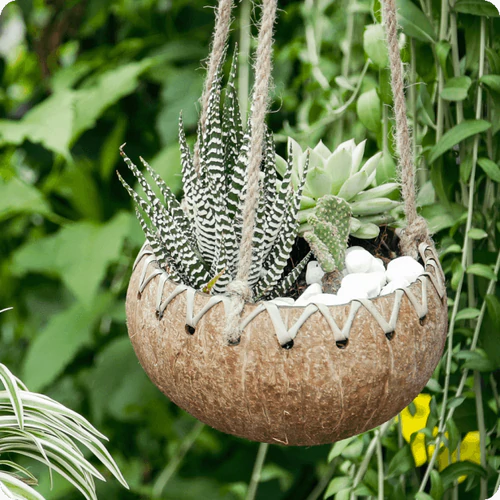
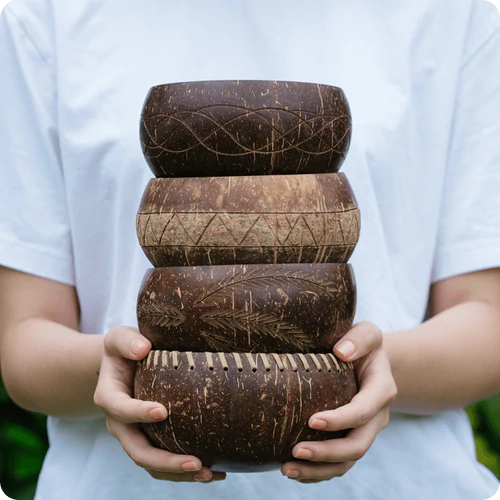
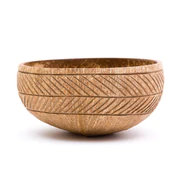
Each year, billions of coconut shells are burned as waste. But thanks to the local master artisans in Bến Tre, “Coconut Capital” of Vietnam, these coconut shells find new life at Rainforest Bowls: coconut bowls, planters, birdhouses, utensils, and soap dishes.
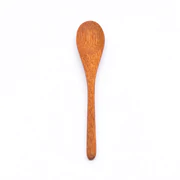
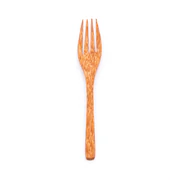
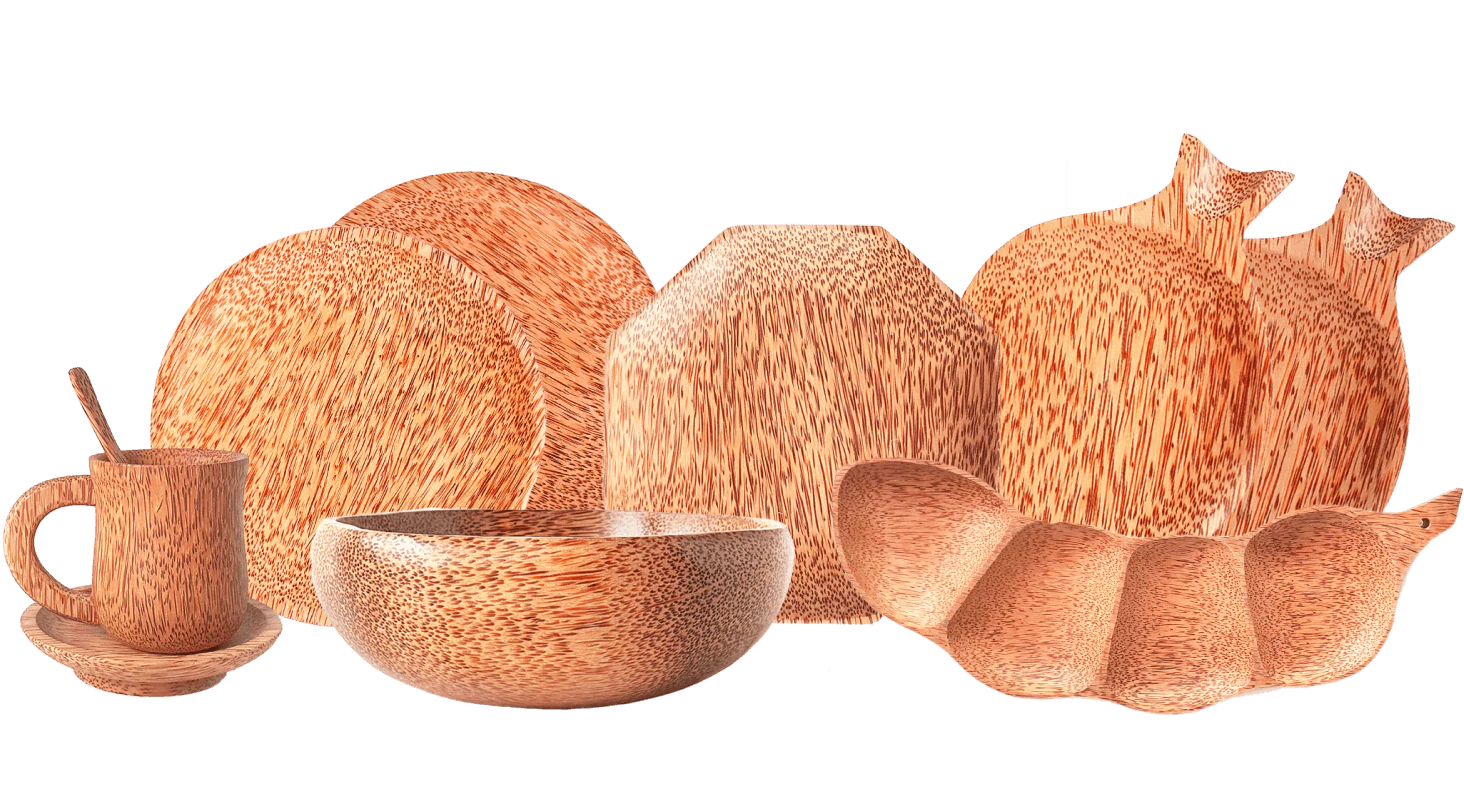
After coconut trees fulfill their purpose and stop bearing fruits, they are cut down and replaced with new saplings. Rather than letting them end up in landfills, Bến Tre crafters use their fallen trunks to create coconut wood plates, bowls, utensils, and cups.
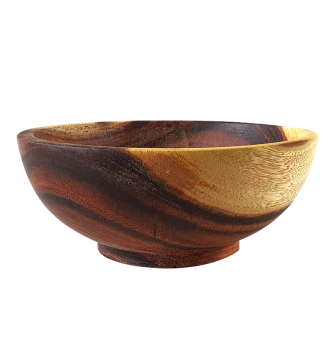
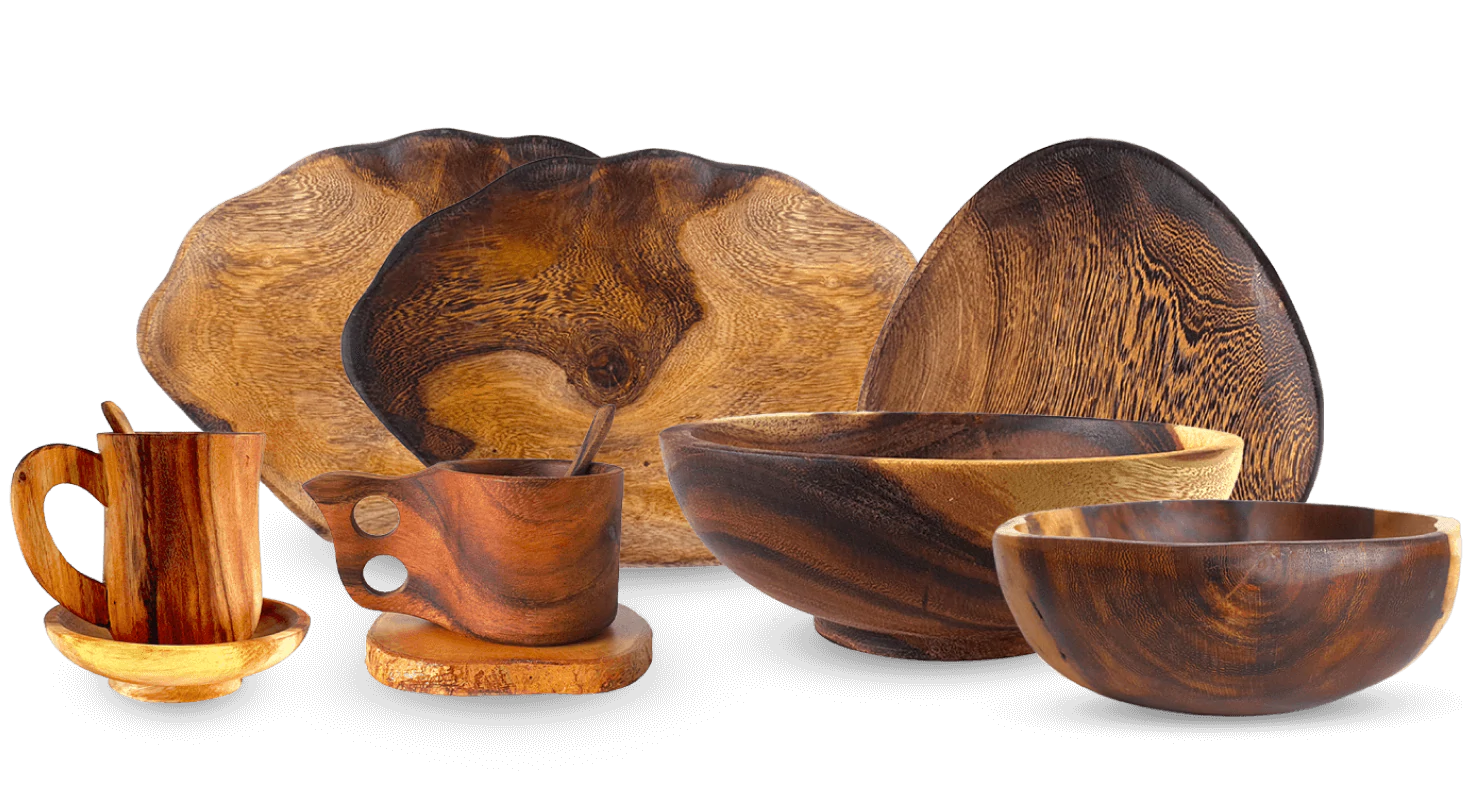
Acacia is one of the fastest-growing trees out there. It thrives in the tropical climate of Vietnam, grows in any soil, and rarely needs pesticides and fertilizers. Known for its wavy grain and rich earthy tones, acacia makes for the perfect material for Vietnamese artisans to craft beautiful bowls, plates, utensils, and cups.
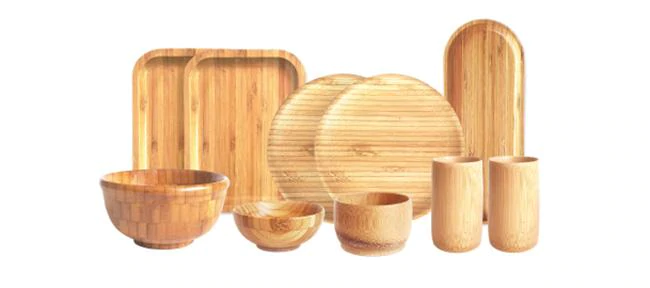
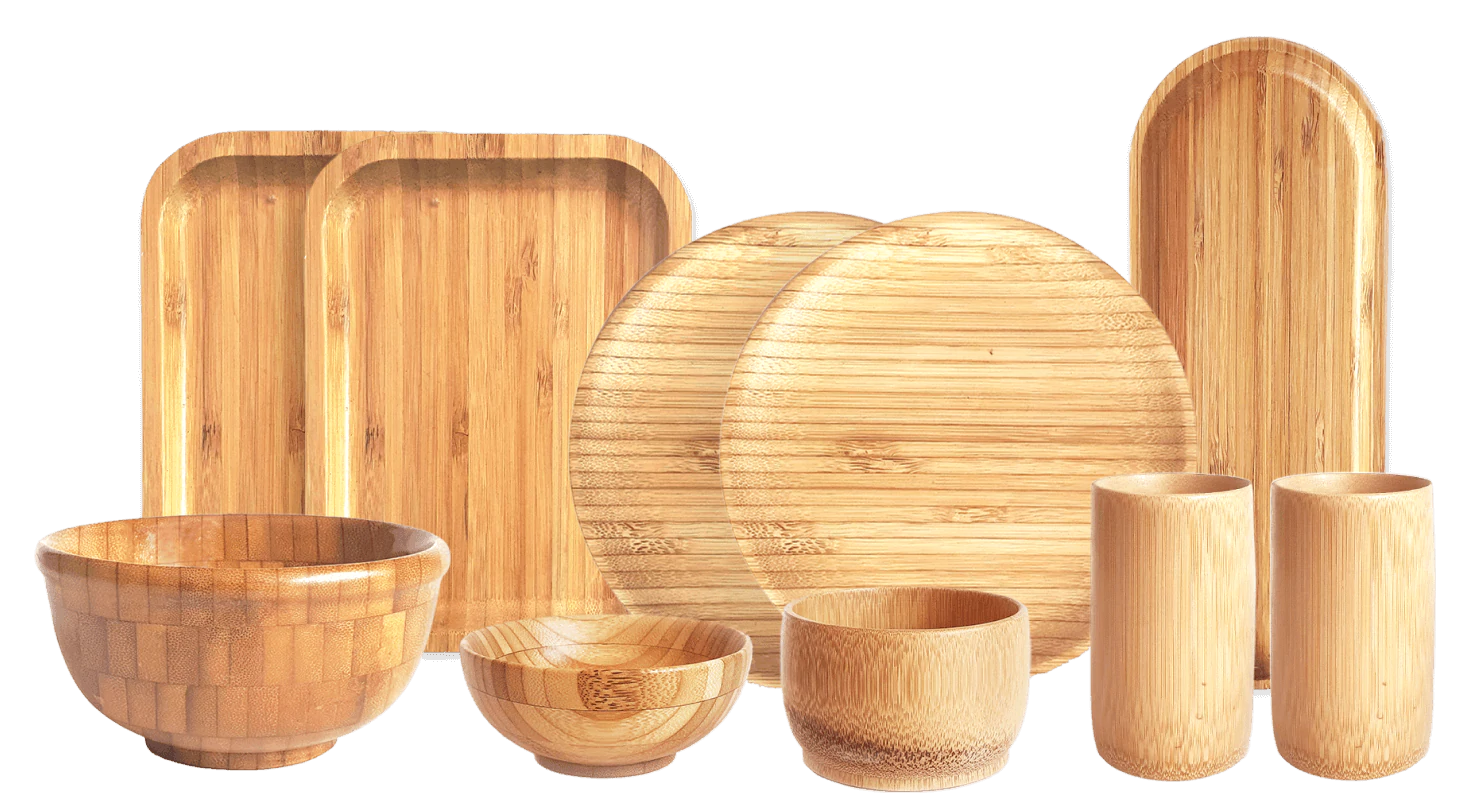
Considered the fastest-growing plant in the world, bamboo only takes 1 to 5 years to reach full maturity. It grows as fast as grass yet is as sturdy as hardwood, making it one of the most sustainable resources today. Artisans in Vietnam only cut the parts that they need to craft straws, utensils, plates, bowls, and cups, allowing the bamboo to continue growing.
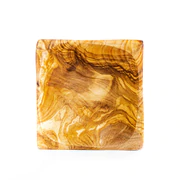
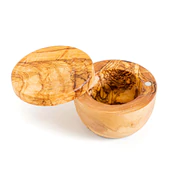
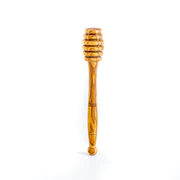
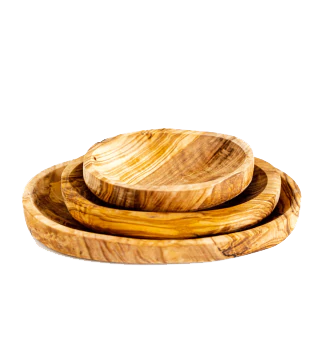
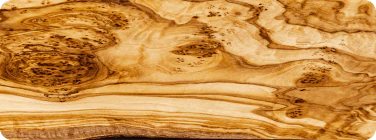
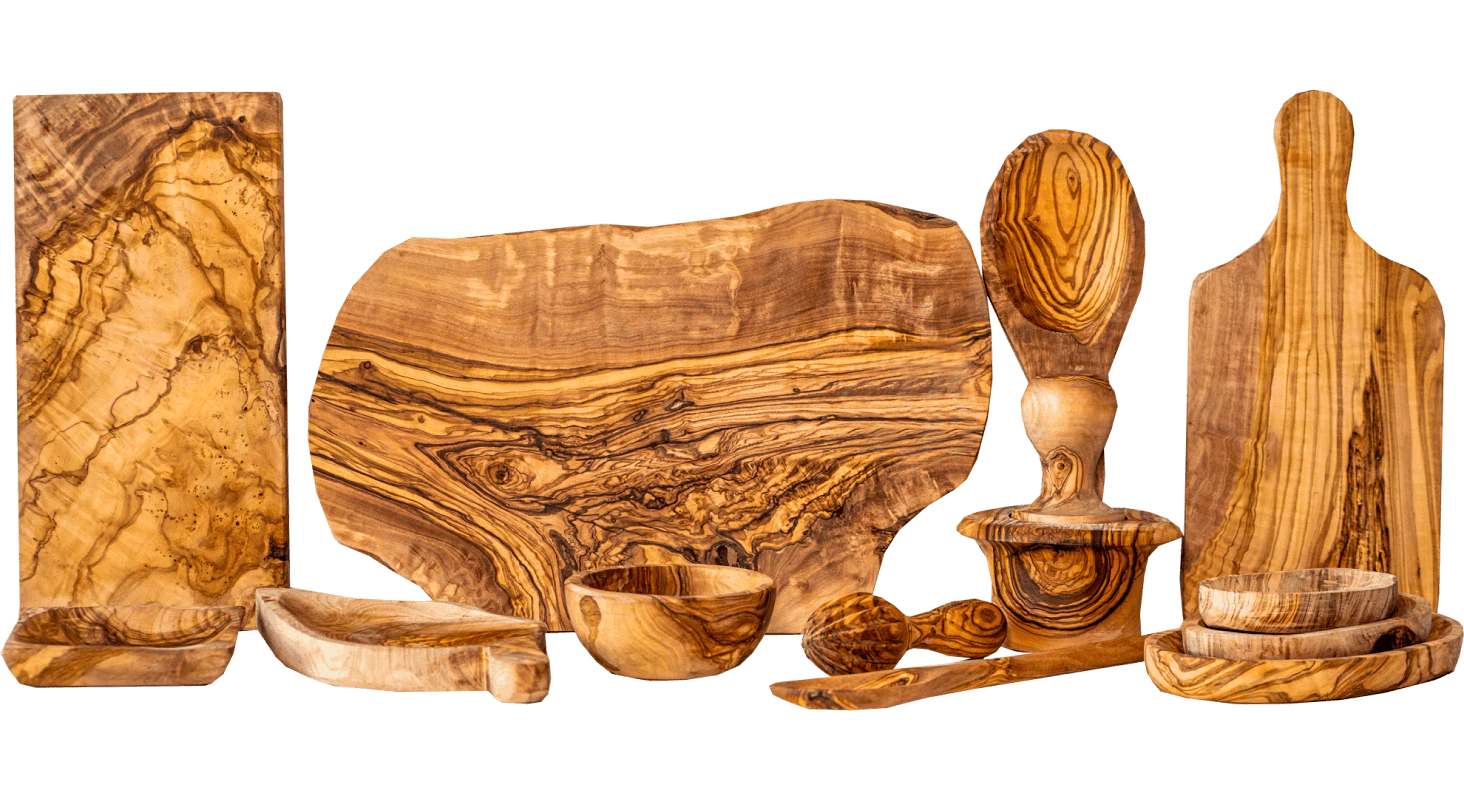
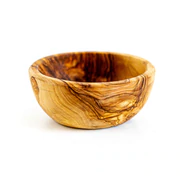
Sourced from sustainable farms in Sfax, Tunisia’s largest olive tree producing area, our olive wood kitchenware exudes the warm rustic elegance of the Mediterranean. The Tunisian government identifies the olive trees that no longer bear fruit, which are then cut down and collected by artisans to craft into bowls, plates, utensils, cups, and other timeless pieces for the kitchen.
As part of our pledge to 1% for the Planet, we donate over 1% of our annual revenue to two tree-planting partners: Trees for the Future and One Tree Planted.
We planted 100,000 trees
in Africa and Vietnam
Our goal is to plant
1 Million Trees